
Does Alcohol Thin Your Blood? 1
This can cause the medication to stay active for longer and have a greater effect than it should. Alcohol can also cause underlying health problems that affect the liver, which plays a vital role in how blood thinners work and how blood clotting occurs. It is worth mentioning that excessive alcohol consumption can have negative effects on the blood clotting process as well.
Aspirin and Alcohol
A light beer with a lower alcohol content might be slightly less risky than a high-alcohol craft beer, but any amount of alcohol can still pose a risk when combined with blood thinners. Luckily, alcoholics who quit drinking see a reduction in blood pressure. Often those who come to treatment with high blood pressure return to normal levels within a month of not drinking. Beyond internal bleeding, individuals may experience noticeable signs of increased bleeding. These include easy bruising, frequent nosebleeds, bleeding gums, or heavier menstrual periods. The Recovery Village Ridgefield offers comprehensive addiction treatment for drug and alcohol addictions and co-occurring mental health conditions.
Health News
The effects of alcohol in the reduction of blood clotting were more pronounced in the female participants of the study than their male counterparts. In the experiment, when one serving of alcohol mixed in grain was provided, the effect on prevention of clotting was negligible. However, when the serving was increased to twice the original amount, blood-thinning effects were observed. Yes, alcohol increases heart rate as well as raise blood pressure during the initial stages of intoxication. As a result, heavy drinking increases the risk of experience cardiovascular-related is beer a blood thinner diseases such as heart attack and stroke.
Many blood thinners explicitly warn against alcohol use, as these medications require careful dosing to avoid making the blood too thin. Alcohol can disrupt this balance, altering how the medication works and the blood’s thickness. A healthcare professional can evaluate your individual risk factors and help you make informed decisions about alcohol consumption. They can also provide guidance on maintaining a healthy lifestyle, managing any existing medical conditions, and understanding the potential interactions between alcohol and medications. If you have concerns about alcohol consumption and its potential effects on blood thinning or any other aspects of your health, it is always wise to consult with a healthcare professional. They can provide personalized advice based on your specific medical history, current health condition, and any medications you may be taking.
Frequently Asked Questions About Alcohol and Thinning Your Blood
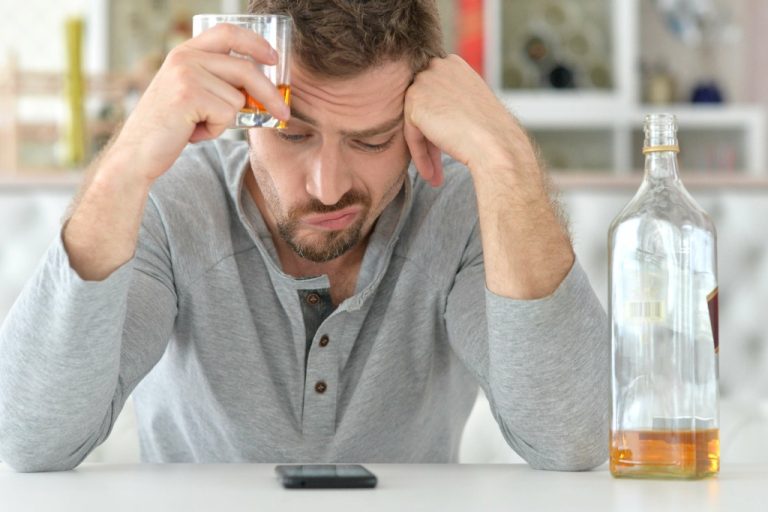
Furthermore, alcohol can weaken the immune system, making individuals more susceptible to infections and complications during the healing process. If you or someone you know is struggling with alcohol-related health issues, it’s crucial to seek professional guidance and support. Always consult with your healthcare provider before consuming alcohol while taking blood thinners. They can provide specific guidance based on your individual circumstances and medications. Antiplatelets, for example, prevent platelets from sticking together to form clots. Increased alcohol intake often leads to higher blood pressure, which is the opposite of what I want.
Eliquis (apixaban) is a commonly prescribed blood thinner that helps reduce the risk of blood clots and strokes. It is widely used for conditions like atrial fibrillation, deep vein thrombosis, and pulmonary embolism. Many patients wonder if it’s safe to consume alcohol while taking this medication, as alcohol Twelve-step program is known to have effects on blood clotting and liver function.
Alcohol and Circulation
Receiving professional support and participating in rehabilitation programs can significantly enhance recovery outcomes. These programs often include a combination of detoxification, therapy, and ongoing support, tailored to meet individual needs. Many treatment centers also offer specialized services, including programs for dual diagnosis and support for specific demographics.
However, it is worth noting that excessive alcohol consumption can have an impact on blood clotting factors and increase the risk of bleeding. Chronic alcohol use can lead to liver damage, impairing the liver’s production of clotting proteins. This can result in a higher tendency for bleeding and difficulty in clot formation. Additionally, alcohol abuse can contribute to vitamin deficiencies, particularly vitamin K, which plays a crucial role in blood coagulation. While moderate alcohol consumption may have some minimal impact on blood clotting, it is not recommended to rely on alcohol as a reliable blood thinner.
How Long Does it Take For Alcohol to Take Effect & How long Does it Last?
- It is important to speak with your healthcare provider before drinking alcohol while taking blood thinners.
- It’s essential to consider individual variations when discussing the effects of alcohol on blood thickness.
- All three components are carried through your body by liquid plasma (a clear fluid).
For example, if a blood clot forms and limits the flow of blood in the arteries, doctors call this thrombosis. Mixing Pradaxa and alcohol has significant effects, as it increases the risk that bleeding will occur by boosting the effects of the Pradaxa. You should not mix Pradaxa and alcohol unless your doctor has specifically said this is OK. Alcohol thins your blood by slowing the normal action of fibrin, a molecule that builds blood clots. For this reason, people who use alcohol may find that they bleed more easily and for longer periods.
- Other signs of external bleeding include prolonged bleeding from minor cuts or heavier than usual menstrual bleeding.
- The information presented herein by The Herb Prof is intended for educational purposes only.
- It’s important to approach the topic with accurate information and consider individual factors such as overall health, lifestyle choices, and any existing medical conditions.
- When you’re injured, blood cells called platelets rush to the injury site.
- In addition to platelet function, alcohol can also influence blood clotting factors.
Blood thinners are drugs your doctor prescribes to prevent blood clots that can cause a heart attack or stroke. If your doctor has prescribed one of these medicines, it’s because you have heart disease or another condition that increases your risk for clots. Combining alcohol https://ecosoberhouse.com/ with blood thinners can significantly alter the medication’s effects and elevate the risk of bleeding. This interaction varies depending on the specific type of blood thinner.
Can mixing alcohol with certain medications increase the risk of bleeding?
These factors can influence how alcohol affects the viscosity or thickness of blood. Understanding these factors is essential for comprehending the overall impact of alcohol consumption on blood thickness. A blood thinner is a medication or substance that helps prevent clotting by interfering with the blood’s natural clotting process. These substances typically work by targeting different aspects of the clotting cascade, inhibiting the formation of blood clots. Alcohol can interfere with the clotting process by making platelets less sticky and reducing the ability to form stable blood clots. It’s important to seek accurate information from reliable sources to make informed decisions about your health.
Añadir un comentario
Su dirección de correo electrónico no será publicada. Los campos necesarios están marcados *